
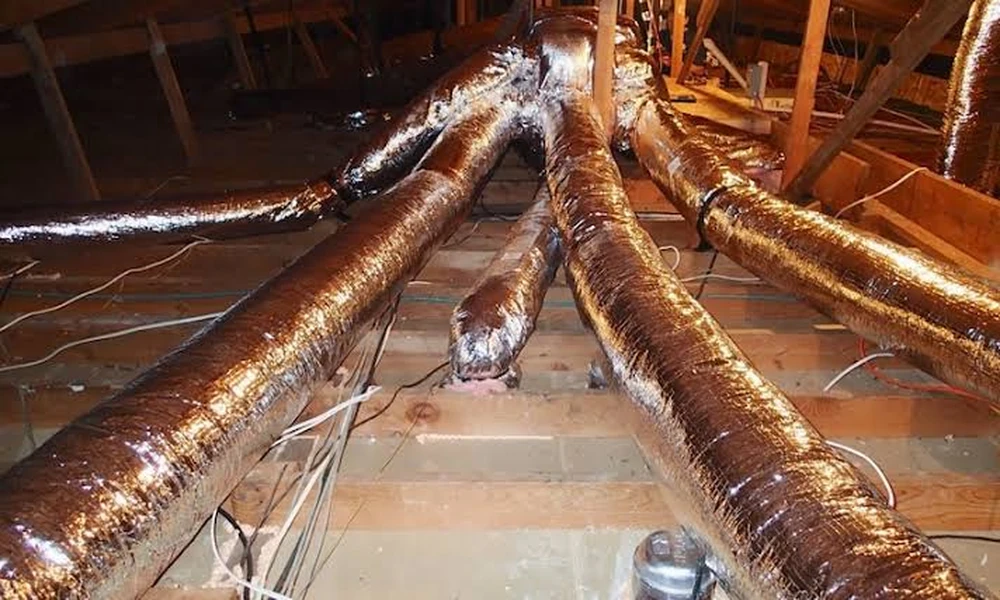
A homeowner on the Space Coast replaces a tired air conditioner, pays extra for a higher efficiency unit, and waits for the power bill to drop. It barely moves. The back bedroom is still warm by mid afternoon, the hallway smells faintly musty when the system starts up, and the new unit seems to run almost without a break. Nothing is wrong with the equipment itself. The trouble sits in the tubing and board hidden above the ceiling.
That pattern shows up often enough that a family-owned Cocoa contractor like Ratti Air and Heat runs duct changeouts as a dedicated service instead of treating them as an add-on to equipment work. One of their customers described a technician tracing her cooling complaint to old ductwork full of holes and mold, which was forcing a fairly new unit to work far harder than it should.
The Hottest Room in the House Has No Door
Most Florida homes sit on a concrete slab, so the ducts and often the air handler end up in the attic. On a July afternoon that space can climb well past 130 degrees, with humidity to match. Air leaving the coil at roughly 55 degrees travels through that oven on its way to your rooms.
The leaks also do something less obvious. A leaky return side sucks attic air, dust and insulation fibers straight into the system. A leaky supply side pushes cooled air into the attic, which leaves the house slightly depressurized, so humid outdoor air seeps in through outlets, can lights and gaps around windows. That is how a running air conditioner can still leave a house feeling sticky.
None of this is new. Researchers at the Florida Solar Energy Center, which happens to be based in Cocoa, tested central Florida homes and found that duct leaks were large and widespread, and air conditioner energy use fell by about 18 percent in the monitored homes once the ducts were repaired.
Clues Your Rooms Keep Dropping
Duct problems rarely cause a breakdown. They show up as small irritations homeowners learn to live with.
- One or two rooms that never reach the thermostat setting, usually those at the far end of a long duct run.
- Dust that settles again within days of cleaning, or gray streaks forming on the ceiling around supply registers.
- A musty or damp smell in the first minute after the system kicks on.
- Grilles that sweat or ceiling stains that appear near vents during the most humid months.
- Indoor humidity that stays above 60 percent even though the AC runs for long stretches.
- Whistling, rattling or noticeably weak airflow from certain vents.
- Power bills creeping upward even after new equipment went in.
A single item on that list might mean a closed damper or a dirty filter. Three or four together usually point overhead.
How Florida Ductwork Wears Out
Two materials dominate local attics. Trunk lines and plenums are often fiberglass duct board, while the branches running to each room are flexible duct with an inner liner, a blanket of insulation and an outer plastic jacket.
Flex duct sags between supports over time, and a sag creates a low belly that chokes airflow and collects condensation. It gets crushed when someone walks across the attic or stores boxes on top of it. The outer jacket turns brittle, cracks open and lets humid air reach the cold inner liner, which is exactly where mold likes to start. Cloth duct tape, used on countless older installations, dries out in attic heat and simply lets go.
Duct board fails differently. Its edges crumble at the seams, the foil facing peels, and rodents treat it as nesting material.
Many ducts installed in the 1990s and early 2000s are now somewhere between 20 and 30 years old, which is around the end of their useful life. Some were also undersized from the start, especially on the return side, so they were never able to move the air the equipment was rated for.
Seal It, Patch It or Pull It Out
Spot sealing works when the ducts are in decent shape and the leaks are mostly at accessible joints. A technician coats connections with mastic, a thick paste that stays flexible for years, rather than relying on tape. Section repairs make sense when only a few runs are crushed, kinked or moldy. Those pieces get cut out and replaced while the rest of the system stays.
A complete changeout becomes the smarter choice when mold has spread through multiple runs, when the insulation is breaking down throughout, or when the layout was poorly sized to begin with. It also makes sense alongside new equipment of a different capacity, since modern high efficiency units are sensitive to airflow restriction, and squeezing them through old undersized ducts can cause noise, poor dehumidification and even a frozen coil.
Before choosing, ask for a duct leakage test. A calibrated fan pressurizes the system and measures how much air escapes, turning a vague complaint into real numbers. Florida already requires this kind of testing on new homes.
Getting the Timing Right
The best moment to deal with ducts is usually when the air conditioner itself is being replaced. The attic is already being worked, the new equipment and the new ducts can be sized together, and you avoid paying for two separate disruptions.
Season matters too. Attic work goes faster and more carefully in the cooler stretch between November and February than in August, when technicians can only stay up there for short spells. Homes that took on roof leaks during a storm deserve a look soon afterward, since wet duct insulation loses most of its value and becomes a mold risk within weeks.
What a Well Done Changeout Looks Like
A careful crew bags the old runs so dust and fibers stay out of living spaces. New ducts are laid out with returns sized properly and supply runs kept as short and straight as the attic allows. Flex duct gets pulled taut and supported with wide straps every few feet so it cannot sag. Every connection is sealed with mastic, and many homeowners choose higher insulation values than the bare minimum, which pays off in an attic this hot.
The job should end with testing, not just a walk through. Airflow at the registers, static pressure at the air handler and a final leakage number tell you whether the new system is doing what it was supposed to do.
The Part of the System You Never See
People tend to judge their cooling by the box outside and the thermostat on the wall. The ducts are the delivery route between the two, and in a Florida attic that route takes a beating every summer. When rooms stay warm, dust keeps coming back or the air never quite feels dry, the answer often lies above the ceiling rather than in the equipment. Looking there first can save someone from replacing a good unit and keeping the same complaints.
