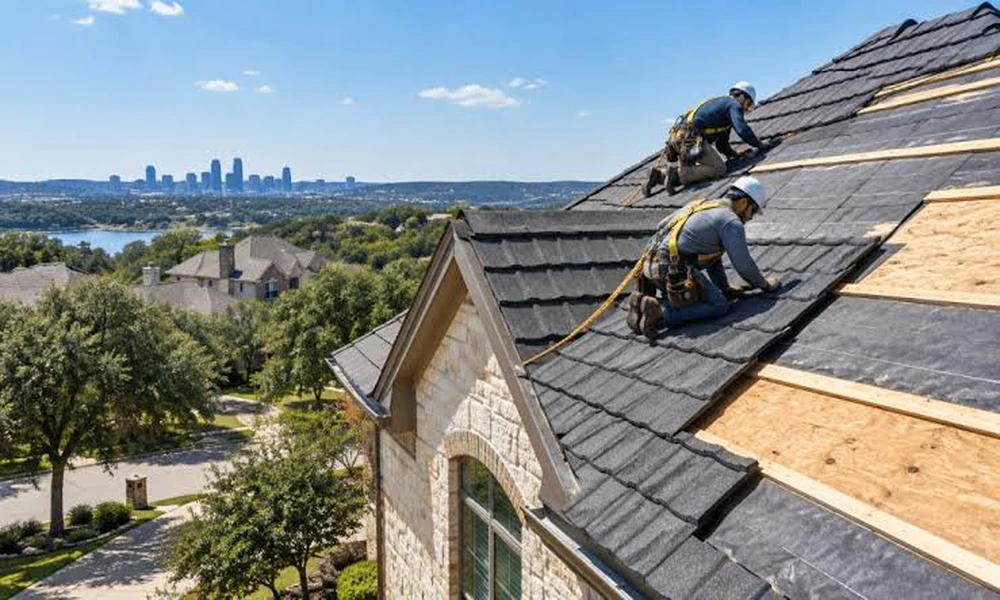
On a July afternoon in Austin, the air in a poorly ventilated attic can go past 140 degrees. The shingles above it get even hotter. A few months earlier, the same roof may have taken hail in a spring storm. In the western hills, a dry August brings the risk of wind carrying embers over the cedar. Few roofs in the country deal with that much in one year. When a roof reaches the end of its life here, the real question is not just “what replaces it” but “what can survive the next twenty years of this.”
That question is where Benjamin Greear and his crew at texasroofing.services start. They handle roof replacement in Travis along with jobs in Williamson County, Killeen and the Dallas area. The company is affiliated with the Roofing Contractors Association of Texas, has a BBB rating and has done more than 800 roofs. An online estimator and lending partners make it easier to plan the budget before a crew shows up. Seamless gutters and solar panel detach and reset are handled by the same team, so a homeowner isn’t coordinating three companies.
Sun Comes First on the List
Most people think of heat as a comfort problem. For a roof, heat is a wear problem. Asphalt shingles slowly lose the oils that keep them flexible, and Central Texas summers speed that up. A shingle rated for thirty years in a mild climate often needs replacing in eighteen to twenty here.
Shingle color makes more difference than most people expect. The Cool Roof Rating Council explains that reflective roofing sends sunlight back out and gives off the heat it does absorb, instead of passing it into the house. On average that saves about 7 to 15 percent of cooling costs. Color is only part of it, though, so the council suggests asking your contractor which rated products they carry and checking them in its directory. Light colored and reflective shingles have improved a lot. Several manufacturers now make cool rated architectural shingles in grays and browns that don’t look like a commercial warehouse roof.
Ventilation Does the Work You Can’t See
A reflective roof over an attic that can’t breathe still bakes. Building codes call for a balance between intake vents at the soffits and exhaust at or near the ridge. The usual ratio is about one square foot of net free vent area for every 150 square feet of attic floor. Many older Austin homes have a few box vents and soffits painted shut. Replacement is the cheapest time to fix that, because the decking is already open and the crew is already on the roof.
Hail and Wind Shape the Material
Spring storms that roll in from the Hill Country push many homeowners toward Class 4 impact resistant shingles. Those shingles have passed the UL 2218 steel ball drop test. Texas insurers are required to offer premium discounts for them. Over a roof’s life, those discounts can cover a good part of the extra cost.
Wind ratings get less attention but they matter just as much. Shingles labeled Class F or Class H under the ASTM wind standards are made to stay sealed in gusts up to about 110 and 150 miles per hour, respectively. Proper nailing matters as much as the rating. Shingles nailed too high, above the manufacturer’s nail line, can lose their wind warranty before the first storm.
Metal is the other serious option. Standing seam panels shed hail, reflect heat well and can last forty years or more. The tradeoff is cost, often about two to three times the price of architectural shingles. Many homeowners also don’t like the drumming sound during a downpour unless the roof has solid decking and good underlayment.
The Hills Bring a Fire Question
West Travis County has a lot of cedar and live oak, and homes sit right up against them. The Labor Day fires of 2011 burned homes in Steiner Ranch and showed how close that danger is. Since then the City of Austin has adopted wildland urban interface rules for neighborhoods along its western edge. Those rules raise the bar for roof coverings and for how vents keep out wind blown embers.
For homes in those areas, a Class A fire rated roof assembly is the sensible minimum. Most modern asphalt shingles, metal and concrete tile meet it. Ember resistant vent screens and tightly sealed ridge caps add another layer of protection that costs very little during a replacement.
Paperwork Before Shingles
Rules depend on where the house sits. Inside Austin city limits, a reroof usually goes through the city’s permitting process. Unincorporated parts of the county work differently, because Texas counties have limited authority over residential building codes. A good contractor knows which rules apply to each address and handles it without being asked.
Homeowners associations are often the bigger obstacle in subdivisions around Lakeway, Pflugerville and Round Rock. Many require architectural committee approval for any change in color or material. State law does limit what an HOA can block. Under the Texas Property Code, associations generally can’t ban impact resistant, solar reflective or energy efficient shingles, though they can still set some appearance standards. Getting approval in writing before the materials arrive saves a lot of trouble.
What Replacement Day Actually Looks Like
A typical single family reroof here takes one or two days. The work usually goes in this order:
- Tarps and plywood go over landscaping, AC units and windows near the drip line.
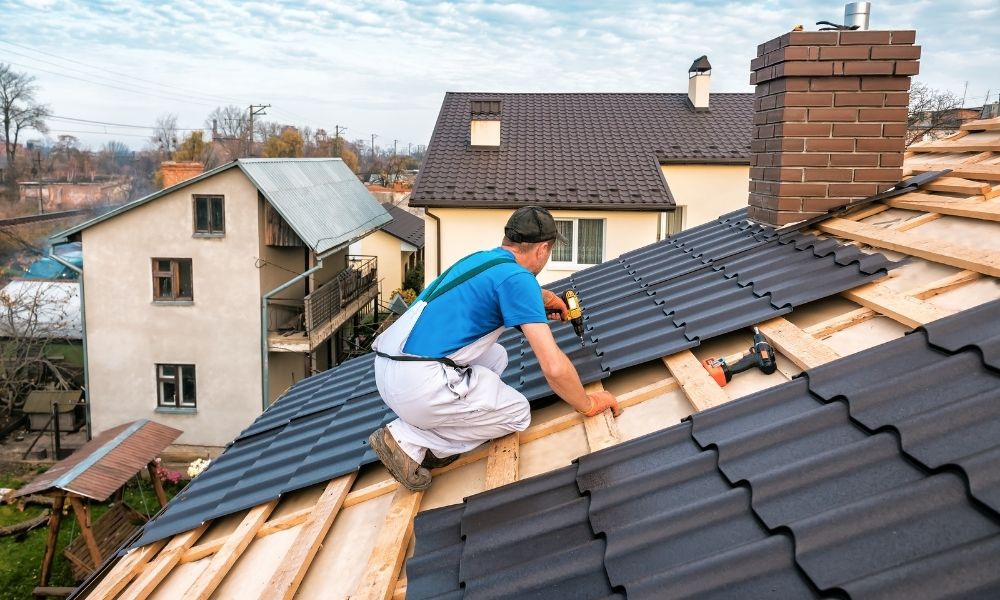
- The crew tears the old shingles and underlayment down to bare decking.
- Every sheet of decking gets checked, and soft or rotted boards are replaced. This is the line item that can change the price.
- Drip edge goes along the eaves and rakes. Self adhering ice and water membrane goes into valleys and around penetrations.
- Synthetic underlayment covers the rest of the deck.
- Shingles or panels go on with new pipe boots, flashing and vents.
- Debris is hauled away and magnets sweep the yard and driveway for loose nails.
Step three is the one homeowners should ask about before signing. A written price per sheet for replacement decking keeps the final invoice from becoming a surprise.
Reading the Warranty Fine Print
Replacement roofs come with two separate warranties. The manufacturer covers defects in the material, and the length depends on the product line and whether the installer is certified with that brand. The contractor’s workmanship warranty covers installation errors, which cause most early failures. Both should be in writing and should say clearly what voids them, such as foot traffic from a satellite installer or a later solar installation by a different company.
Building for the Next Twenty Summers
A roof in this county gets more sun, hail, wind and fire risk than roofs in most parts of the country, and the best replacements plan for all four. A reflective surface keeps the attic cooler and impact resistant material holds up to spring storms. Good ventilation and a Class A rating cover heat buildup and embers, and proper nailing keeps the roof on in high wind. None of these choices costs much on its own. Together they decide whether the next roof lasts half its rated life or close to all of it.