April 3
Handling large or complex tree removals requires more than basic cutting skills. Professionals follow a structured approach that combines planning, specialized equipment, and technical expertise to ensure the process is completed safely and efficiently. Trees that are oversized, damaged, or located in restricted spaces demand careful coordination to avoid property damage and reduce risk.
In regions such as Mableton, Georgia, service providers offering tree services mableton ga are often called upon to manage challenging removals where standard techniques are not sufficient.
Initial Risk Assessment and Site Evaluation
Before any physical work begins, professionals conduct a thorough assessment of the tree and its surroundings. This includes evaluating the tree’s height, structural integrity, lean, and proximity to buildings, utility lines, and other obstacles.
The site evaluation also considers ground conditions, access points for equipment, and any environmental factors that may influence the removal process. This step helps determine the safest and most effective removal strategy.
Strategic Planning and Work Sequencing
For large trees, removal is rarely done in a single cut. Instead, professionals break the process into multiple stages, starting with the removal of smaller branches and gradually working toward the trunk.
Each cut is planned in advance to maintain balance and control. The sequence of operations ensures that weight is reduced gradually, preventing sudden shifts or unexpected movement.
Use of Specialized Equipment
Large and difficult removals often require advanced equipment such as rigging systems, lifts, and sometimes cranes. These tools allow professionals to control the descent of heavy sections and manage them safely within confined spaces.
The choice of equipment depends on the size of the tree, accessibility of the site, and complexity of the environment. Proper equipment usage plays a key role in maintaining control throughout the operation.
Controlled Sectional Dismantling
Instead of felling the entire tree at once, professionals often use sectional dismantling techniques. This involves cutting the tree into smaller, manageable pieces that are lowered safely using ropes or mechanical systems.
This method is particularly useful in urban or residential areas where space is limited, and precision is required to avoid damage to nearby structures.
Coordination Among Team Members
Large tree removals require teamwork and clear communication. Each team member has a specific role, whether it involves cutting, rigging, or guiding sections to the ground.
Signals and coordinated movements ensure that each step is executed in sync, reducing the likelihood of errors and maintaining overall safety during the operation involving tree service mableton ga.
Managing Unexpected Challenges
Even with careful planning, unexpected issues such as internal decay, hidden cracks, or shifting balance can arise during removal. Professionals are trained to adapt quickly, reassess the situation, and modify their approach as needed.
This flexibility allows them to maintain control and continue the process safely without compromising the integrity of the operation.
Debris Handling and Site Restoration
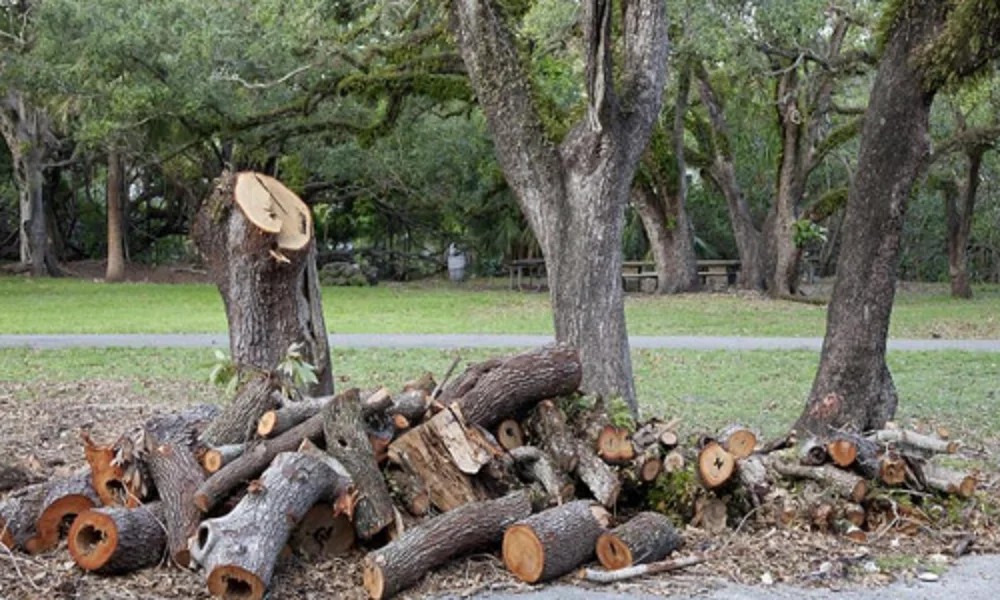
Once the tree is fully removed, the remaining debris is cleared from the site. This may include cutting logs into smaller sections, chipping branches, and hauling materials away.
Proper cleanup ensures that the property is left in a safe and usable condition, ready for future landscaping or development.
Professionals handling complex tree removals rely on a combination of experience, planning, and equipment to manage each stage effectively. Their structured approach ensures that even the most difficult trees can be removed safely while minimizing disruption and maintaining control throughout the process, especially when delivering tree service mableton ga solutions.