
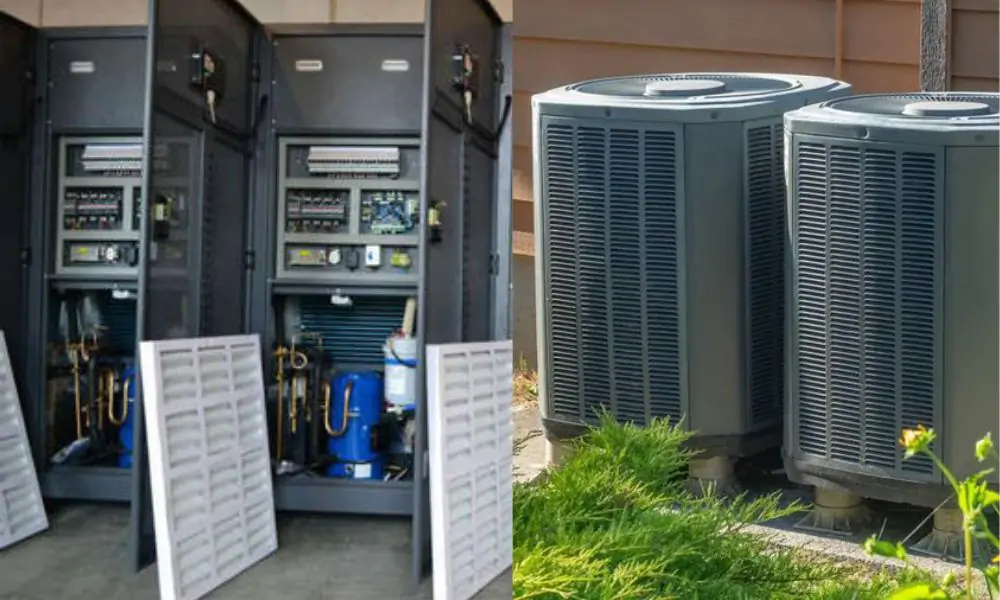
Homeowners today are approaching heating and cooling decisions with a more hands-on mindset. Rising labor costs and increased access to user-friendly technology have encouraged many people to explore alternatives to traditional HVAC installations. One option gaining steady attention is the DIY Mini Split System, which offers a balance between affordability, efficiency, and homeowner involvement.
What Sets a DIY Mini Split Apart
Unlike conventional HVAC systems that rely on ductwork to distribute air, a mini split operates using individual indoor units connected to an outdoor condenser. The DIY version is specifically engineered to simplify this setup, allowing homeowners to handle installation without professional assistance.
These systems are designed with pre-measured components, simplified connections, and detailed instructions. The goal is to remove technical obstacles while still delivering dependable heating and cooling performance.
Understanding Installation Costs
The biggest reason homeowners consider a DIY approach is cost control. Traditional installations often include labor fees that can rival or exceed the price of the equipment itself. These fees cover specialized skills, permits, and scheduling logistics.
With a DIY system, the primary expense is the equipment. While there may still be minor costs for mounting hardware or electrical upgrades, the absence of contractor labor dramatically reduces the overall investment. For many households, this translates into savings of thousands of dollars compared to a professionally installed system.
Time and Effort Involved
Installing a DIY mini split isn’t instant, but it’s manageable for homeowners who are comfortable following instructions. The process typically involves mounting the indoor unit, securing the outdoor condenser, connecting refrigerant lines, and completing electrical hookups.
Most installations can be completed over a weekend, depending on the home layout and the installer’s experience level. Planningsuch as choosing the right location and reviewing instructions thoroughly—can significantly reduce complications and installation time.
Everyday Benefits Beyond Cost Savings
While financial savings are a major advantage, they aren’t the only benefit. A DIY mini split provides direct control over comfort. Each indoor unit conditions a specific space, making it easier to manage temperatures based on how rooms are used.
This targeted approach can improve energy efficiency, as homeowners avoid heating or cooling unused areas. Over time, reduced energy consumption can help offset the initial purchase price and lower monthly utility bills.
What Homeowners Should Expect Long-Term
After installation, homeowners can expect consistent performance with minimal ongoing maintenance. Basic upkeep usually includes cleaning filters and keeping the outdoor unit free of debris. Because the system is simpler than traditional ducted setups, there are fewer components that require regular servicing.
Homeowners who install their own system often feel more confident addressing minor issues themselves, which can reduce reliance on professional service calls. This familiarity adds long-term value beyond the initial installation savings.
Is a DIY Mini Split Right for Every Home?
While the DIY Mini Split System offers many advantages, it isn’t ideal for every situation. Homes with outdated electrical systems or strict local building codes may require professional involvement for certain aspects of the installation.
Additionally, homeowners should honestly assess their comfort level with tools and technical instructions. Those who prefer hands-off solutions may find professional installation worth the extra cost.
A Different Way to Approach Home Comfort
Choosing a DIY mini split represents a shift in mindset. Rather than viewing HVAC as a service that must be outsourced, homeowners become active participants in improving their living environment. This approach appeals to those who value independence, transparency in costs, and long-term efficiency.
A DIY mini split system offers a practical blend of affordability, flexibility, and performance. By understanding installation costs, recognizing the benefits, and knowing what to expect, homeowners can make an informed decision that aligns with both their budget and lifestyle. For the right household, a DIY approach can turn a traditionally expensive upgrade into a manageable and rewarding project.