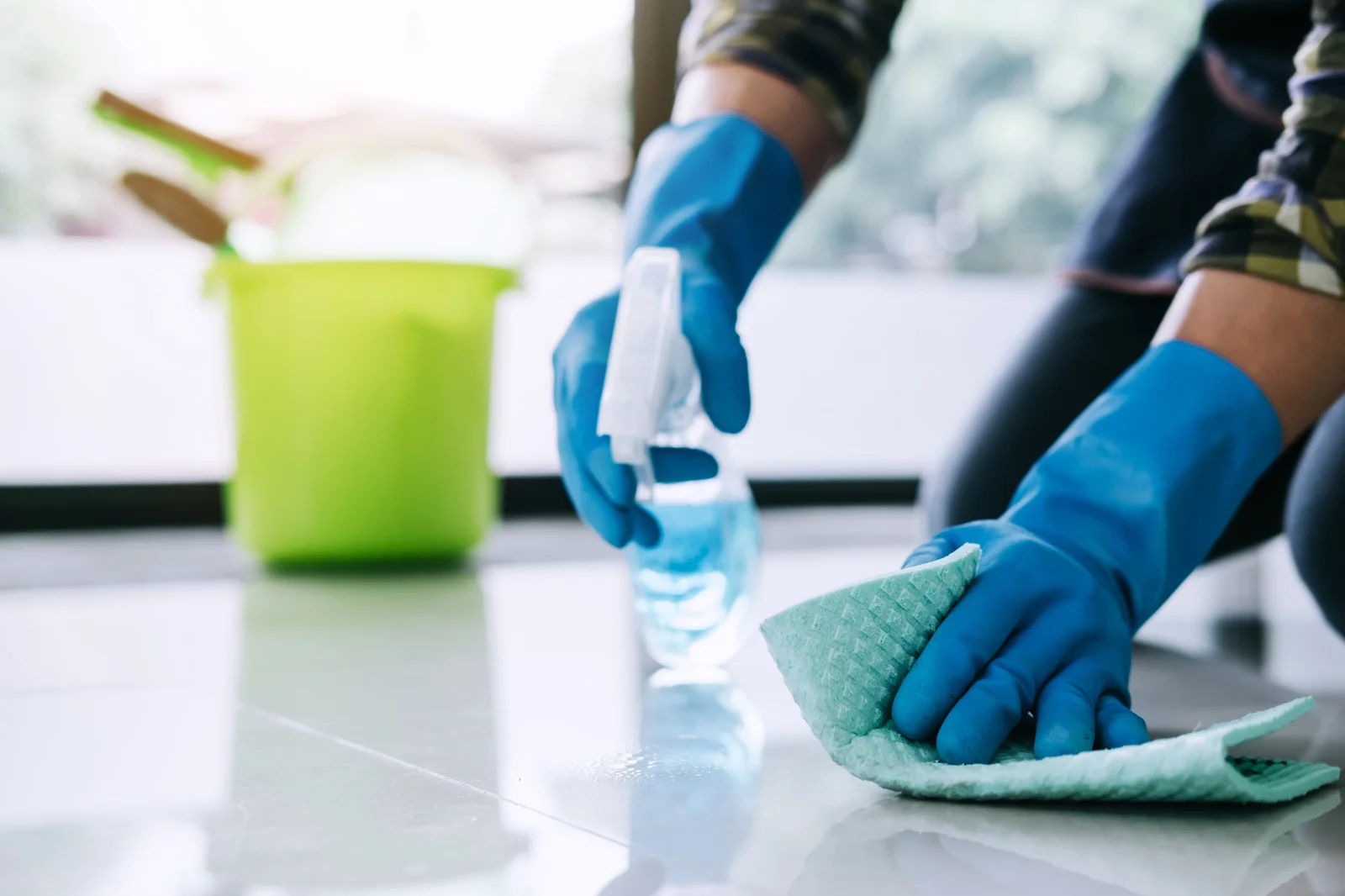
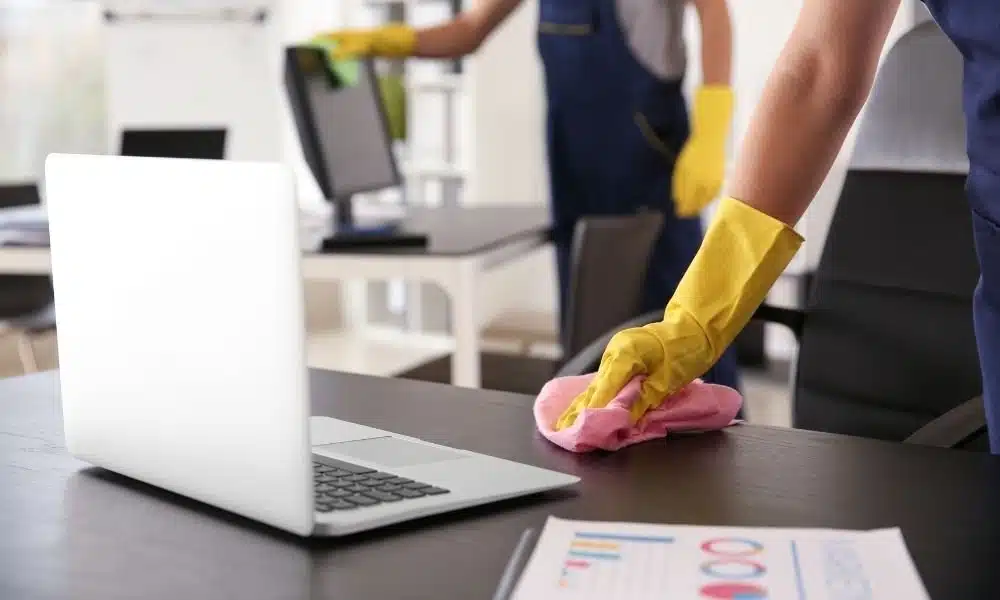
Small office cleaning services have become a front-line defence in the ongoing battle to create work environments where employees can breathe easily, think clearly, and remain healthy through the long hours they spend enclosed in shared spaces. The connection between cleanliness and health is not new, yet in Singapore’s dense urban landscape, where office buildings pack workers into climate-controlled environments and recirculated air systems, the stakes have risen considerably. This is a story about invisible threats, about the microscopic world that thrives in neglected corners, and about the choices businesses make when weighing immediate costs against long-term consequences for human wellbeing.
Walk into any small office in Singapore’s commercial districts during the afternoon hours and you will encounter a familiar scene. Workers hunched over keyboards, air-conditioning units humming steadily, the faint smell of reheated lunch lingering in the pantry. What you cannot see are the bacteria colonising desk surfaces, the dust mites multiplying in carpet fibres, the mould spores gathering in damp corners of poorly ventilated toilet facilities, and the allergens accumulating in air-conditioning filters that have not been changed in months. These invisible inhabitants exact a toll that manifests in sniffles, coughs, headaches, and the general malaise that workers often attribute to stress or overwork when the true culprit may be the air they breathe and the surfaces they touch.
The Health Costs of Inadequate Cleaning
The economics of workplace health tell a compelling story. Singapore’s Ministry of Manpower reports that respiratory infections and allergic reactions account for a significant portion of medical leave claims annually. Research conducted by the National University of Singapore has established clear links between indoor air quality, surface hygiene, and employee health outcomes. A study tracking workers across multiple office environments found that those in poorly maintained spaces took, on average, 2.3 additional sick days per year compared to employees in well-cleaned facilities.
The financial implications extend beyond direct medical costs and lost productivity. Employee morale suffers in dirty environments. Talented workers begin exploring other opportunities. Client perceptions deteriorate when they encounter grimy toilets or dusty meeting rooms. As one small business owner operating a digital marketing agency in Bugis recounted, “We lost a major client pitch because their team arrived early and used our toilet before the meeting. It was not filthy, but it was not clean either. One of their executives made a comment about standards and attention to detail. We did not get the contract. That same week, we hired professional cleaners.”
Understanding the Health Dimensions of Professional Cleaning
Effective Small office cleaning services approach their work through a health-focused lens that goes beyond superficial tidying:
Disinfection of high-touch surfaces
Door handles, light switches, lift buttons, shared keyboards, and telephone handsets harbour pathogens that transfer easily between individuals. Regular disinfection using appropriate antimicrobial agents reduces transmission of common illnesses.
Proper toilet sanitisation
Singapore’s warm, humid climate creates ideal conditions for bacterial growth in toilet facilities. Professional cleaning employs hospital-grade disinfectants and proper techniques to eliminate harmful microorganisms.
Air quality management
Dust accumulation on air-conditioning vents and in ductwork compromises respiratory health. Regular cleaning of these systems, combined with filter replacement, significantly improves indoor air quality.
Allergen reduction
Carpets, upholstered furniture, and fabric partitions trap dust mites, pollen, and other allergens. Thorough vacuuming with HEPA-filtered equipment and periodic steam cleaning reduce allergen concentrations.
Mould prevention
Singapore’s humidity levels encourage mould growth in damp areas. Vigilant cleaning and moisture control in pantries, toilets, and around air-conditioning units prevent mould colonisation.
The Science Behind Surface Contamination
Microbiologists have mapped the bacterial geography of typical office environments with unsettling precision. A single desk surface can harbour 400 times more bacteria than a toilet seat, according to research published in Singapore’s Journal of Environmental Health. Keyboards accumulate food particles, skin cells, and oils that create nutrient-rich environments for bacterial colonies. Shared equipment like printers and coffee machines become transmission vectors when multiple people touch the same surfaces throughout the day.
The most dangerous contaminants are often those we cannot see or smell. Staphylococcus bacteria can cause skin infections and food poisoning. E. coli can survive for hours on improperly cleaned toilet fixtures. Influenza viruses remain viable on hard surfaces for up to 48 hours, allowing them to spread through offices long after an infected person has touched a communal surface.
The Human Element of Health-Focused Cleaning
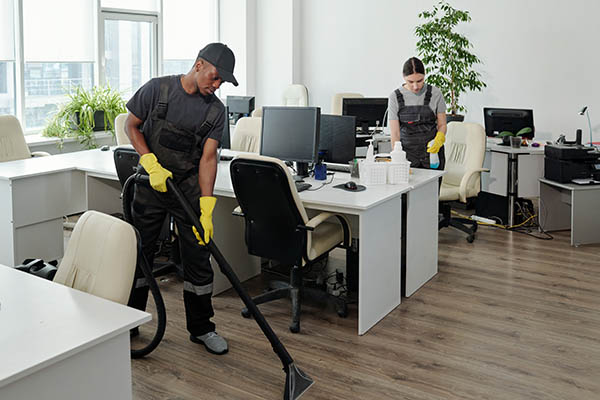
Professional cleaners trained in health-oriented protocols understand that their work directly impacts human wellbeing. They know which chemicals effectively kill pathogens without leaving toxic residues. They understand cross-contamination risks and use colour-coded cleaning equipment to prevent spreading bacteria from toilets to food preparation areas.
As one experienced cleaning supervisor working across several small offices in the Raffles Place area explained, “Many people think cleaning is simple, just wiping and mopping. But if you want to actually protect health, you need knowledge. Which disinfectant works on which surface? How long must it sit before wiping? These details matter for keeping people safe.”
Creating Healthier Workplaces
The decision to invest in professional cleaning services represents more than a facilities management choice. It signals a commitment to employee health and wellbeing. It acknowledges that workers deserve environments where they can perform their duties without unnecessary exposure to pathogens and allergens. It recognises that productivity and health are inseparably linked, that sick employees cannot contribute fully, and that prevention costs less than treatment.
For small businesses navigating Singapore’s competitive landscape, where every advantage matters and every disadvantage can prove fatal, the calculation should be straightforward. Clean offices keep workers healthier. Healthier workers take less sick leave, maintain higher productivity, and stay with employers longer. The return on investment in Small office cleaning services materialises not just in gleaming floors and spotless toilets, but in the sustained health and vitality of the people who make businesses successful.