
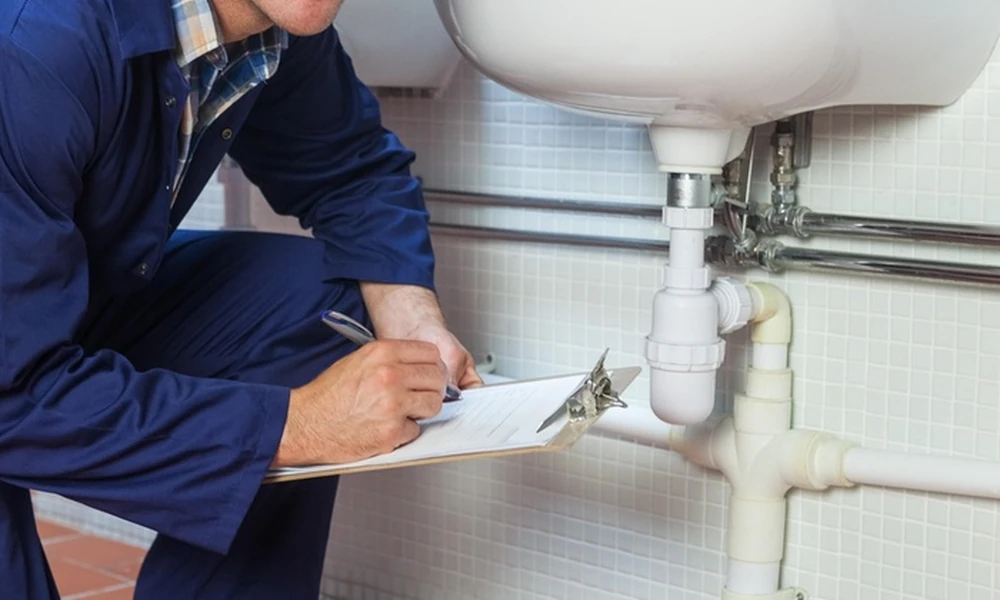
It is simple to ignore the state of subterranean sewage pipes since a home’s plumbing system might be concealed for decades. While roofs, electrical systems, and heating equipment are routinely maintained by households, sewage lines are sometimes neglected until a major issue arises. Because decaying pipes may impact drainage efficiency, property safety, and long-term maintenance costs, aging plumbing infrastructure calls for a more careful approach. Homeowners may make well-informed choices, control costs, and safeguard their homes from unforeseen harm by scheduling sewage line repairs prior to significant failures.
Recognizing The State Of Aging Sewer Lines
Pipes composed of cast iron, clay, concrete, or other materials that degrade with time may be found in older home plumbing systems. These materials may become weaker and less structurally reliable over years of exposure to wastewater, soil movement, and environmental impact.
While clay pipes may split or break at their joints, cast iron pipes may experience interior corrosion. These alterations often happen gradually, making it possible for plumbing issues to arise without clear warning indicators. Before significant damage happens, skilled Houston plumbers can assess outdated drainage systems and pinpoint locations that could need repairs.
The basis for creating a successful repair plan is an understanding of the current pipe material, installation history, and general condition.
Finding Issues Before Serious Damage Happens
Seldom do aging sewage pipes break without some kind of warning. However, it may be difficult to identify early signs since they might mimic common home drainage problems.
Wastewater backups, strange gurgling noises, bad smells, and recurrent drain clogs might be signs of issues with the main sewage system. Above subterranean pipes, some homes also have inexplicable areas of abnormally green grass or moist soil.
When many plumbing fixtures have drainage issues at the same time, homeowners should pay close attention. This trend can point to a problem that goes beyond a single sink or toilet.
Early detection of these signs allows for focused repairs as opposed to large-scale pipe replacement or emergency excavation.
Accurate Planning With Sewer Camera Inspections
Without the need for urgent excavation, modern sewer inspections provide useful information. Technicians may inspect interior surfaces and find obvious flaws by using specialized cameras that pass through existing pipelines.
Root incursion, pipe misalignment, corrosion, fractures, and collected debris may all be found during these examinations. They also assist in determining if the damage is localized or pervasive across the sewage system.
When persistent drainage issues point to underlying structural degradation, expert Houston plumbers may offer camera examinations. The results of an inspection may help homeowners avoid needless effort and direct repair choices.
Maintaining maintenance records and inspection logs also improves the effectiveness of subsequent plumbing assessments.
Selecting Between Full Replacement And Repair
Not all old sewage lines need to be replaced entirely. The pipe’s condition, the extent of the damage, accessibility, and the infrastructure’s remaining usable life all influence the best course of action.
Short segments of deteriorating pipe, isolated fractures, and broken connections may all be fixed locally. Replacement may be a more dependable option when pipelines exhibit extensive corrosion, frequent collapses, or serious structural instability.
For appropriate pipelines, trenchless rehabilitation methods can provide an alternative to conventional excavation. On the other hand, parts that are badly collapsed or misaligned could need traditional excavation.
Homeowners may balance short-term costs with long-term dependability by comparing alternative solutions.
Getting The Property Ready For Sewer Line Repairs
Planning a successful repair requires more than just choosing a plumbing contractor. Homeowners should be aware of how sewage infrastructure interacts with roads, building foundations, landscape elements, and subterranean utilities.
Excavation techniques and equipment needs might be affected by property access. Temporary limitations on water use may also be necessary for certain repairs.
Homeowners should seek a formal evaluation outlining the suggested repair technique, anticipated interruption, projected costs, and restoration duties prior to the start of any work. During the project, clear communication helps avoid unforeseen costs and minimizes uncertainty.
Developing A Workable Maintenance Plan
As plumbing infrastructure ages, preventive maintenance becomes more crucial. Sewer system performance may be extended by routine inspections, proper wastewater disposal, and quick response to recurrent obstructions.
Homeowners should refrain from using strong chemical cleaners often, dumping oil into drains, and flushing inappropriate items.
Establishing a workable timetable based on pipe condition rather than age alone may be facilitated by speaking with knowledgeable Houston plumbers regarding inspection intervals and maintenance needs.
Conclusion
Accurate inspections, practical budgeting, and careful evaluation of various repair techniques are all necessary when planning sewage line repairs for older properties. Plumbing dependability may be increased, and property damage can be minimized by addressing degradation before significant failures occur. Homeowners may safeguard their homes for many years to come and make smarter judgments about their subterranean infrastructure by implementing a proactive maintenance approach.