When you spot a spider in the corner or notice ants marching across your kitchen counter, your first instinct might be to grab a can of bug spray from the local hardware store. While DIY pest control can seem like an easy and cost-effective solution, many homeowners discover that their efforts fall short of eliminating the problem. Understanding why these attempts often fail can help you make better decisions about protecting your home from unwanted invaders.
The Hidden Problems with Store-Bought Solutions
Over-the-counter pest control products rarely address the root cause of an infestation. When you spray a visible trail of ants or set out mouse traps, you’re only treating the symptoms of a much larger issue. Most pests you see represent just a fraction of the total population living in your walls, attic, or foundation. These products might kill the pests you can see, but they do nothing to eliminate the colony, nest, or breeding ground that continues to produce new intruders.
Additionally, many store-bought solutions lack the potency needed for serious infestations. Manufacturers must balance effectiveness with safety for general consumer use, which means these products often contain diluted concentrations of active ingredients. Professional-grade treatments are significantly stronger and more targeted, making them far more effective at eliminating established pest populations.
Misidentification Leads to Wrong Treatments
One of the most common reasons DIY pest control fails is simple misidentification. Many homeowners mistake one pest for another, leading them to purchase the wrong products entirely. Carpenter ants and termites can look similar to the untrained eye, but they require completely different treatment approaches. Using ant bait for a termite problem won’t just be ineffective, it will allow the termites to continue causing structural damage while you think you’re solving the issue.
Different pests also have different behaviors, life cycles, and vulnerabilities. Without proper knowledge of pest biology, you might apply treatments at the wrong time or in the wrong locations. For example, treating bed bugs with a general insecticide often just scatters them to other areas of your home rather than eliminating them.
Safety Concerns and Health Risks
DIY pest control comes with significant safety considerations that many homeowners overlook. Improper application of pesticides can expose your family and pets to harmful chemicals. Without understanding proper mixing ratios, application techniques, and safety precautions, you risk contaminating food preparation areas, children’s play spaces, or pet zones.
Some pests also pose direct health risks that require professional handling. Stinging insects like wasps and hornets can trigger severe allergic reactions, while rodents carry diseases that can spread through their droppings. Attempting to remove these pests yourself puts you at unnecessary risk.
When DIY Becomes a Costly Mistake
While DIY methods might seem cheaper initially, they often become expensive mistakes. Multiple trips to the store for different products add up quickly. Meanwhile, the pest problem continues to worsen, potentially causing property damage that far exceeds the cost of professional treatment. Termites can compromise structural integrity, rodents can chew through electrical wiring creating fire hazards, and some insects can damage furniture and belongings.
Signs It’s Time to Call a Professional
Certain situations clearly warrant professional intervention. If you notice any of the following, it’s time to contact a licensed pest control company:
- Recurring infestations despite repeated DIY attempts
- Evidence of structural damage like wood shavings or holes
- Multiple types of pests appearing simultaneously
- Large colonies or nests visible on your property
- Pests in food storage or preparation areas
- Droppings, tracks, or other signs of rodent activity
- Stinging insects near entryways or high-traffic areas
The Professional Advantage
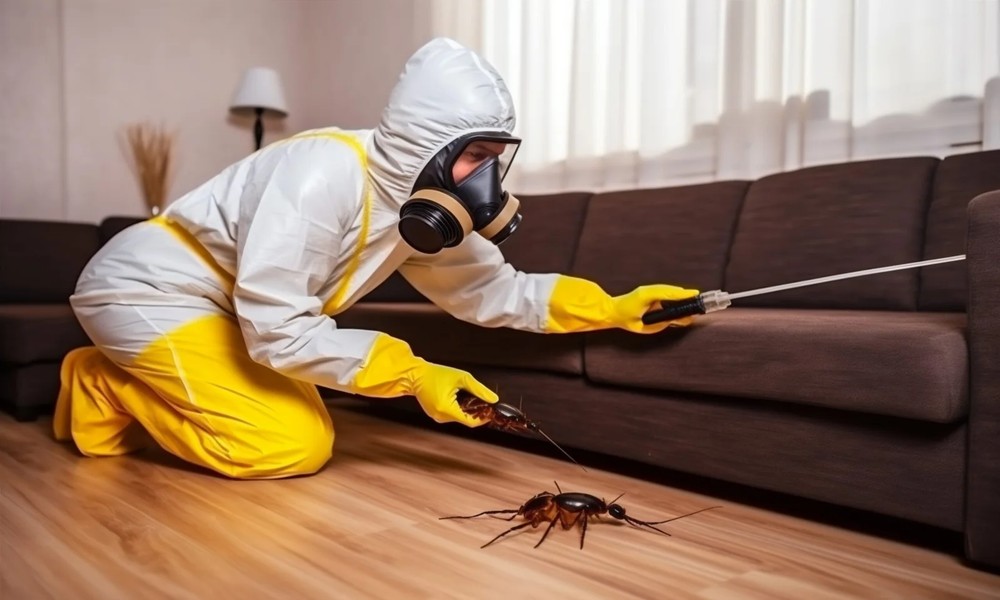
Licensed pest control professionals bring expertise, specialized equipment, and access to commercial-grade products that simply aren’t available to consumers. They conduct thorough inspections to identify entry points, breeding areas, and the full extent of infestations. Companies like Hot Bugz provide comprehensive treatment plans that address both immediate pest problems and long-term prevention strategies.
Professionals also offer warranties and follow-up services, ensuring that if pests return, they’ll handle it at no additional cost. This peace of mind is something DIY methods simply cannot provide.
Making the Right Choice
DIY pest control might work for minor, isolated incidents, but established infestations require professional expertise. Consider the value of your time, the effectiveness of the treatment, and the potential risks to your health and property. When pests threaten your home’s comfort and safety, investing in professional pest control isn’t just smart, it’s essential for protecting your most valuable asset.