
Most people picture construction as noise. Saws, trucks backing up, a framing crew calling out measurements across a slab. That part is real, but it’s the visible tip of a much longer process. By the time a crew shows up, the project has usually already succeeded or failed on paper.
Homeowners who have been through a major remodel or a new build tend to say the same thing afterward. The stress didn’t come from the hammering. It came from decisions made too late, numbers that didn’t hold, and surprises that someone could have caught months earlier. The planning stage is where a firm like M&M Construction does some of its most valuable work, helping owners shape a loose idea into a plan a crew can actually build from.
What follows is a walk through that stretch of time between “we should do this” and the first day on site, and why each piece of it matters more than it seems.
The Wish List Has to Meet the Budget Early
Every project starts as a wish list. A bigger kitchen, a second bathroom, a room over the garage, maybe a porch that finally gets used. The trouble is that wish lists rarely come with prices attached.
The smartest move at this stage is to rank everything. Separate the must-haves from the nice-to-haves before anyone draws a line. When the first estimate lands higher than expected, and it often does, you’ll already know what can be trimmed without gutting the whole idea.
This is also the time to set aside a contingency fund. Many builders suggest holding back somewhere around 10 to 20 percent of the construction budget for things nobody can see yet. Older homes lean toward the higher end, since rot behind siding or outdated wiring inside a wall only shows itself once things get opened up.
Drawings Are Where Changes Are Cheapest
Moving a wall on paper costs an eraser. Moving it after framing costs labor, materials and days on the schedule. That’s the whole argument for spending real time on design.
Good plans go further than a floor layout. They should settle window sizes, where outlets and switches sit, how the plumbing runs, and how a new space ties into the old one. Rooflines matter a lot here. An addition that looks fine in a sketch can create a valley that traps water or a slope that doesn’t match the existing house.
Walk through the drawings as if you’re living there. Where do groceries land when you come in? Which way does the bathroom door swing? Does the morning light hit the room you actually use in the morning? These small questions are far easier to answer before lumber arrives.
Permits Set the Pace More Than the Crew Does
Many homeowners are surprised to find that the building department, not the contractor, controls a big chunk of the timeline. Plan review can take a few weeks in some towns and several months in others, especially for additions, structural changes or anything touching a property line.
A competent builder pulls the required permits before work begins. Skipping them might feel like a shortcut, but unpermitted work can create headaches at resale, complicate insurance claims and sometimes has to be torn out. Inspections also build in natural checkpoints, so framing, electrical and plumbing get a second set of eyes before walls close up.
If your home sits in a historic district or under a homeowners association, add another layer of approval. Those boards often meet monthly, which can stretch the calendar quickly.
A Contract You Can Lean On Later
A handshake feels friendly until something goes sideways. A written contract protects both sides and should spell out the details clearly. The Federal Trade Commission’s guidance on hiring a contractor recommends getting everything in writing before work starts, and that advice holds up for projects of every size.
At minimum, a solid agreement should cover:
- The full scope of work, including what the contractor will and will not do
- A start date and an estimated completion date
- The payment schedule tied to finished stages of work
- Who handles cleanup, debris removal and final site restoration
- Warranty terms on both labor and materials
- How change orders are requested, priced and approved
That last point deserves extra attention. Changes happen on nearly every job. A clear change order process keeps a small tweak from turning into a billing dispute.
Money That Moves in Stages
Paying the entire cost upfront is one of the clearest red flags in home construction. A reasonable deposit gets the project moving, and later payments follow progress, such as completed framing, rough inspections passed or cabinets installed.
There’s another protection many owners never hear about. Subcontractors and suppliers who don’t get paid by the general contractor can, in many states, place a mechanic’s lien on your property, even if you already paid in full. Asking for lien waivers as payments go out helps close that gap. It’s a simple piece of paperwork that can save a lot of trouble.
Order Materials Before the Demolition
Supply timing quietly causes many delays. Custom windows, specialty doors, cabinets and certain tile or fixtures can take weeks or months to arrive. If demolition starts before those items are ordered, you may end up living with an open wall or a kitchen without counters far longer than planned.
Experienced builders lock in long-lead items early and schedule demolition around expected delivery dates. Homeowners help by making finish selections sooner rather than later. Choosing a faucet feels minor, but a late decision on one fixture can hold up a plumber, which holds up drywall, which holds up everything after it.
Driveways, Dumpsters and the People Next Door
Then there’s the practical side of running a job site at a home people still live in. Where will the dumpster sit? Can delivery trucks reach the driveway without crushing the lawn or blocking a neighbor? Is there a place for the crew to park?
A few more questions worth settling before day one:
- Which bathroom stays usable during the work
- How dust gets contained to protect the rest of the house
- What hours the crew will work and how noise will be handled
- Where pets and kids will be kept safe from the active area
Giving neighbors a heads up goes a long way too. A short note about the timeline and expected truck traffic tends to head off complaints before they start.
When the Crew Finally Arrives
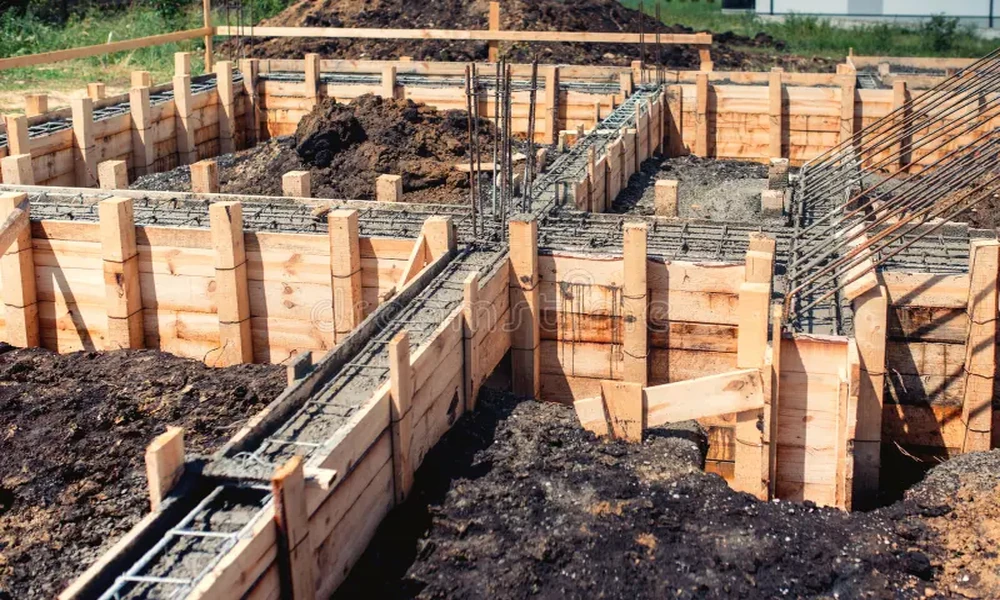
By the time the first shovel hits the dirt or the first cabinet comes off the wall, a well-planned project already has its answers. The budget has breathing room, the drawings reflect how the family actually lives, permits are posted, materials are on the way and everyone knows what the contract says.
Construction will still bring a surprise or two. Old houses keep secrets, and weather never reads the schedule. But a project built on careful planning absorbs those surprises instead of being thrown by them. That’s the part of building most people never see, and it’s often the part that decides how the whole thing turns out.