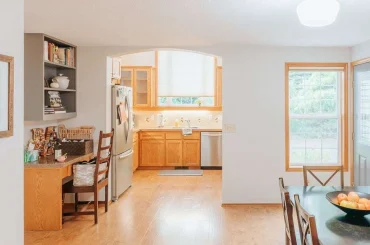
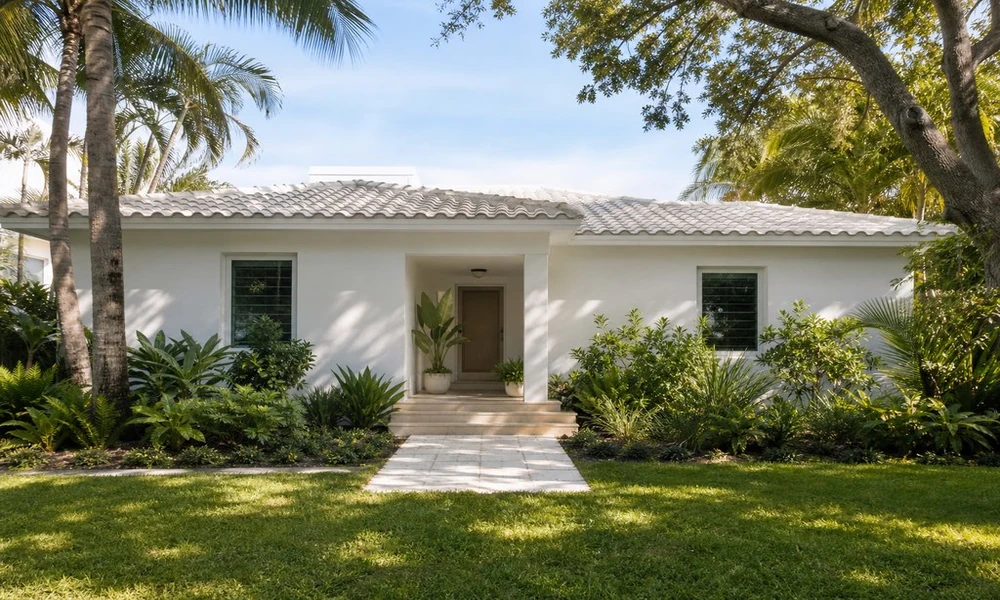
As you enter the exciting 90 days after closing on an older cottage or condominium unit, it’s helpful to think through remodeling in phases, prioritizing some needs that are more pressing and others that can wait. It’s important to protect your investment before making improvements. The goal is to make your home comfortable and convenient for the way you want to live, not follow passing trends or copy choices that may not be practical for your lifestyle.
Inspect Hidden Risks Before Choosing Finishes
Walking through your new home with a qualified professional can help you sort out what may be pressing and what’s not. A contractor can spot problems before they become costly.
Look Closely for Water Intrusion
Rings on the ceiling could be from the roof, the balcony above or seeping through an unsealed window. Water could be originating from a plumbing line elsewhere. It’s helpful to understand what happened before proceeding with renovations. Soft toe-kick panel in the base of kitchen cabinets could mean water intrusion through the exterior wall behind the refrigerator. Investigate.
Other places to check in a first-floor cottage include baseboards along an exterior wall and anywhere previous owner’s furniture was. It may have concealed leaking faucets or valves. Musty-smelling linen closets need attention, even if they were freshly painted.
In Miami Beach, we’re lucky to live on the coast, but it means our homes are regularly challenged by salt air and wind-driven rain (keep https://nationalgeographic.com/environment/article/hurricanes-typhoons-cyclones-explained open if you’re going to need the details). Pay attention to the condition of doors and windows, including sealants and flashing. Doors that are difficult to slide along their track, double-pane windows that fog up and wood window sills that look swollen could be signs of moisture intrusion. Fix those conditions first before investing in new cabinets, floors, paint, wallpaper, drywall, etc.
Assess the Electrical Panel and Older Wiring
Have an electrician present when you open the cover of the electrical panel in the laundry area or garage. It should be accessible, and don’t store moving boxes in front of it! Loose knockouts, handwritten descriptions of circuits and a broken latch might be normal for your condo’s age. Signs of corrosion could mean an update is warranted.
Other indications include awkwardly located receptacles (behind the bed or refrigerator), cracked cover plates and lights that flicker. For example, if bathroom lights flicker when the ventilation fan is turned on, that’s a clue that circuits are overloaded and might benefit from an update. Coordinate with other renovation tasks; skip this if you already have a contractor, but the local remodeling page is at https://gavenconstructions.com/remodeling-miami-beach/. Walls will likely need to be opened, then patched and painted. Get it done before painting!
Find Out Where Plumbing Can Be Reached
Peek behind toilets, under sinks and inside bathroom vanities for signs of rust, stained walls at the base and warped particleboard. Difficult-to-slide vanity drawers and swollen cabinet floors could be signs of slow, steady leaks. Check valves and shutoffs. Old ones can be replaced to save on repair costs in the future.
It can be a lot of work to relocate a kitchen sink or shift the location of the floor drain in a shower. Before finalizing a layout, be aware of the location of risers, drains and water supply lines.
Secure Windows, Doors, and Exterior Openings
Windows and exterior doors should function as intended. They protect your home from the elements and intruders, help block noise and make it easier to keep things comfortable on muggy South Florida afternoons. Try all handles and latches, note places where daylight peeks in, scraping thresholds, swollen jambs around the front door and loose handles on the balcony doors.
By sorting through some of these items early on in your new-home ownership, it’ll be easier to make more informed design decisions down the road. Your home will be safer and healthier and you’ll be grateful you addressed them sooner than later. You’ll be able to breathe a sigh of relief when it’s time to invest in finishes, say, terrazzo floors (when in doubt, leave ’em!), that can make your home distinctive and livable for years to come.
Resolve Daily-Use Repairs Before Redesigning
Now that closing is done and you’ve toured your cottage or condo a couple times, it’s time to begin making improvements. Here are some ideas for getting started.
Restore Floors Only After Moisture Checks
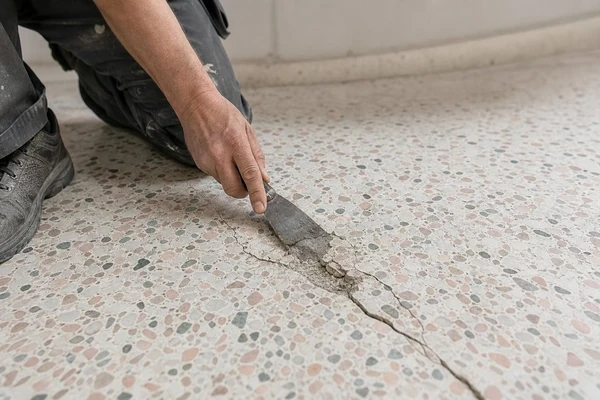
The beautiful terrazzo floors found in many old South Florida homes might be in need of a good polish rather than replacement. Minor chips, flecks of paint, tack holes, and other flaws are easily repaired. More troubling are major cracks or dips between rooms. If the floor has suffered from major water problems, replacement might be the answer. In any event, this is a good time to make sure the slab is dry, or your new flooring will be damaged, especially at transitions like closets and doorways, and show signs of warping along the baseboards.
Design the Indoor-Outdoor Transition
In Miami Beach, the patio, side yard, screened porch, and balcony are practically an extension of the living room. If you’ll be using yours frequently, think through the transition from inside. Where do you remove your shoes? Where’s the place you can set your beach umbrella before bringing it inside? Does the hose bib drip? Where does water collect during a storm? With answers to those questions in tow, you can design an outdoor living space that’s easier to use. New door configuration? Different flooring that’s easy to clean after sandy toes trudge through? A bench to store towels?
As you make your way through your new home, jot down ideas. Take pictures of stained drywall, appliance specs, floor plans. Organizing ideas into a project binder helps avoid conflicting decisions later on and makes the project a pleasure instead of a scramble. When you hire a contractor to get started, she’ll appreciate the binder and suggest refinements. It’s best to think through your plan so that rough-in work comes first, then finishes. If you’re remodeling in Miami Beach, we’ll walk through the project with you to make sure we’ve considered everything. Bring your floor plan; we’ll mark windows and doors to be repaired, moisture, plumbing, electrical concerns.