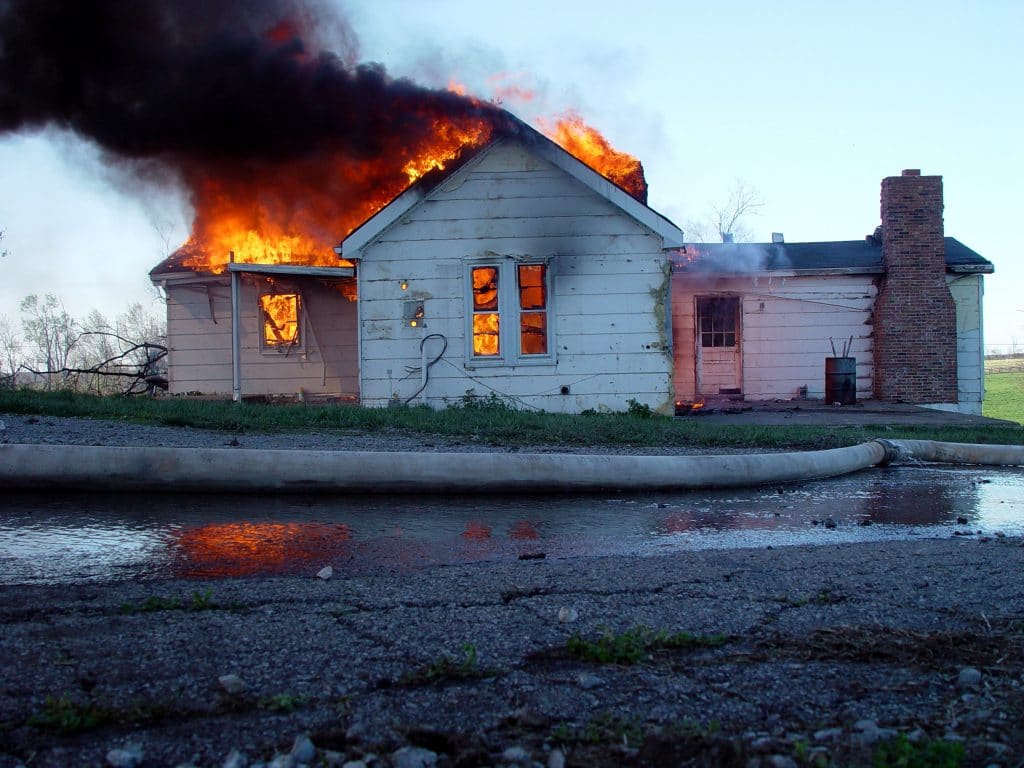
When a fire happens, most homeowners focus on the flames and burned materials. While fire damage is serious, smoke damage often causes more widespread and lasting problems. Even a small fire can leave behind smoke that spreads throughout the home, affecting areas far from where the fire started. Understanding the difference between smoke damage and fire damage helps homeowners know what to expect during cleanup and restoration.
How Fire Damage and Smoke Damage Differ
Fire damage is usually easy to spot. Burned walls, melted items, and charred materials clearly show where flames were present. These damaged items are often removed quickly during cleanup because they cannot be saved.
Smoke damage works differently. Smoke moves fast and travels everywhere. It flows through hallways, vents, and small cracks, reaching rooms that were never touched by fire. As it cools, smoke settles on surfaces and seeps into fabrics, drywall, and insulation. This means smoke damage can affect the entire home, not just the room where the fire occurred.
Why Smoke Damage Spreads So Easily
Smoke is made up of tiny particles that stay airborne longer than flames. These particles attach themselves to nearly everything they touch. Soft materials like carpets, furniture, clothing, and curtains absorb smoke quickly. Hard surfaces like walls and ceilings collect soot that slowly causes discoloration and corrosion.
Smoke also enters HVAC systems. Once inside the ductwork, it spreads contamination every time the system runs. This makes smoke damage difficult to contain and harder to fully remove without professional equipment.
The Hidden Risks of Smoke Damage
Fire damage is usually dealt with immediately, but smoke damage often goes unnoticed at first. Soot residue is acidic and continues damaging surfaces long after the fire is out. Metal fixtures may corrode, electronics may fail, and walls may develop yellow or gray stains over time.
Smoke odors are another major issue. These smells can become trapped deep inside materials and return weeks later, even after cleaning. Breathing air contaminated by smoke residue can also cause coughing, headaches, and irritation, especially for children, older adults, and people with asthma.
Why Smoke Damage Can Cost More Than Fire Damage
In many cases, smoke damage cleanup costs more than repairing fire damage. While burned materials are removed and replaced, smoke affects items that appear undamaged. Furniture, clothing, artwork, and electronics may all need professional cleaning or replacement.
Insurance claims often show that smoke damage restoration involves more labor, more equipment, and more time. Every room must be inspected, cleaned, deodorized, and tested to ensure it is safe to occupy again.
What Homeowners Should Do After Smoke Exposure
After a fire, avoid touching soot-covered surfaces. Do not run the HVAC system, as this can spread contamination further. Opening windows helps slightly, but it does not remove smoke residue trapped inside materials.
Calling a professional restoration company right away is the safest step. They can assess both fire and smoke damage, stop further corrosion, and begin proper cleanup.
“Many homeowners assume smoke damage is minor compared to fire damage, but it often causes more long-term issues,” says Eric Marks of Restoration Companies. “Professional restoration ensures both visible and hidden damage are fully addressed.”
Why Professional Restoration Is Essential
Professional smoke damage restoration includes specialized cleaning agents, air filtration, odor neutralization, and detailed surface treatment. Restoration teams understand how different types of smoke behave and how to safely clean each surface without causing further damage.
Without professional cleanup, smoke damage can continue to harm your home for months or even years. Proper restoration protects both your property and your health.
Understanding the Full Impact of Smoke Damage
Fire damage may be what you see, but smoke damage is what lingers. Knowing the difference helps homeowners take the right steps after a fire. With fast professional response and thorough restoration, your home can be safely cleaned, deodorized, and restored for the future.