Designing an elegant interior is about more than simply choosing decorative furniture and wall colours. The material of choice for doors, cabinets, wardrobes, screens, and other surfaces should look appealing together, but should also function properly. Plywood is the material with the structural basis of many interior elements, whereas door finish will determine the character of the room. Thoughtfully matching these elements will help you create a harmonised area which feels sophisticated, elegant, and timeless.
Consider the Overall Interior Style
The first thing to do is identify the design style of the room. Minimalism, contemporary style, traditional, industrial, and modernity differ in how they combine colours, textures, and finishes.
For example, modern interiors might require even and neutral surface materials, while traditional ones might benefit from warm wood finishes. Being aware of how the overall style works will help to keep materials cohesive.
Coordinate Wood Tones Carefully
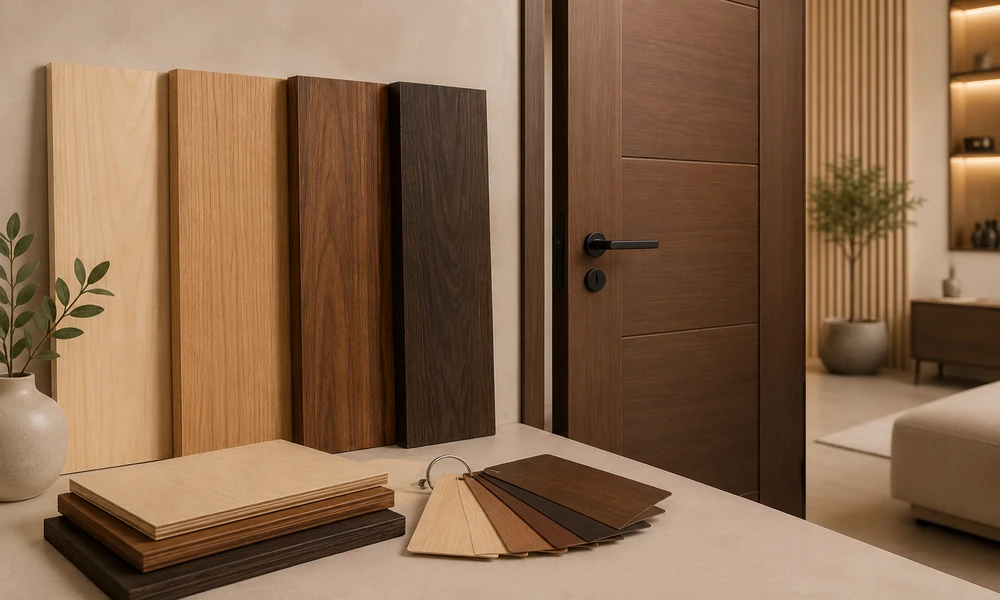
The tone of wood is also extremely relevant for creating a harmonious visual environment. When furniture is made of plywood and its doors at the same time, the tones should complement each other.
The application of the same wood finish in the entire room is not obligatory. Different tones can successfully be used together if they have some similar characteristics. For instance, warm wood tones go well with each other, while cool tones look very appealing just as well.
Balance Colours and Textures
A door that has quite an elaborate finish can be complemented by textured furniture surfaces in the room, but what appears rather cool in everything turns out to be visually overwhelming.
If the door showcases an elaborate texture, you can go for more subtle finishes on the furniture. In the same way, if the door finish is simple, then the space can apply a high level of ingenuity in adorning the cabinetry or the surfaces.
Choose Finishes That Work with Lighting
The way the plywood or the door finish appears can vary according to the lighting. Natural light, artificial light with warmth in it, and cold white light can make it look different.
It is crucial to see if your combination matches while seeing samples under the conditions of the lighting in the room. This is especially important for darker finishes, glossy surfaces and wood tones that have deep undertones.
Consider Gloss and Matte Finishes
Glossy finishes influence the elegance of the space. The right level of sheen is capable of making the room sophisticated. The matte and super matte finishes provide a subtle and modern look, while a higher level of sheen makes your contemporary masters even brighter.
Do not forget about correspondence. Therefore, if your doors are glossy, go for matte furniture surfaces that will eliminate excessive reflection for sure. If the door finish is matte, some polished elements will provide contrast.
Consider Durability and Function
Floors, kitchen cabinetry, closets, and furniture that is often used sustain varied levels of wear.
When considering finishes, it is essential to keep in mind factors such as humidity, maintenance frequency, scratching, fingerprints, and daily impacts. It is also necessary to ensure that the plywood substrate is suited for the use. There are companies, such as Royale Touche Plywood, that provide suitable plywood and interior finishes according to the requirements of the design.
Use Samples Before Finalising
Digital pictures and showrooms can create an incorrect image of the material. If possible, always ask for samples of the plywood, door finish, laminate, veneer, or other surfaces.
When receiving the samples, place them in a comparison mode in natural and artificial light. This way, it will be easier to notice the differences in hues, texture, shininess, and colours before the installation work starts.
Create a Consistent Visual Flow
Doors are usually among many visible elements in an interior; therefore, the finish should match the other furniture pieces and surrounding surfaces.
Repetition of the colour, texture, or wood type in much smaller areas will form unity rather than the identical impression of all surfaces.
For instance, the door should, in a subtle way, match wardrobe shutters, cabinet surfaces, wall panels, and other furniture pieces.
Avoid Overmatching
When an individual surface finish is used, it may lead to an impression of dullness. Sophisticated interiors often contain controlled variations.
Instead of matching all materials perfectly, it is better to choose the main finish that will be supported with some consistent tones and textures. The point is to create a depth of design.
Conclusion
In order to match the finishes of plywood and doors, it is necessary to pay attention to the colour, texture, shininess, lighting, functions, and overall style.
Choosing matching and complementary materials instead of having the same finishes will make the design appear sophisticated and balanced.