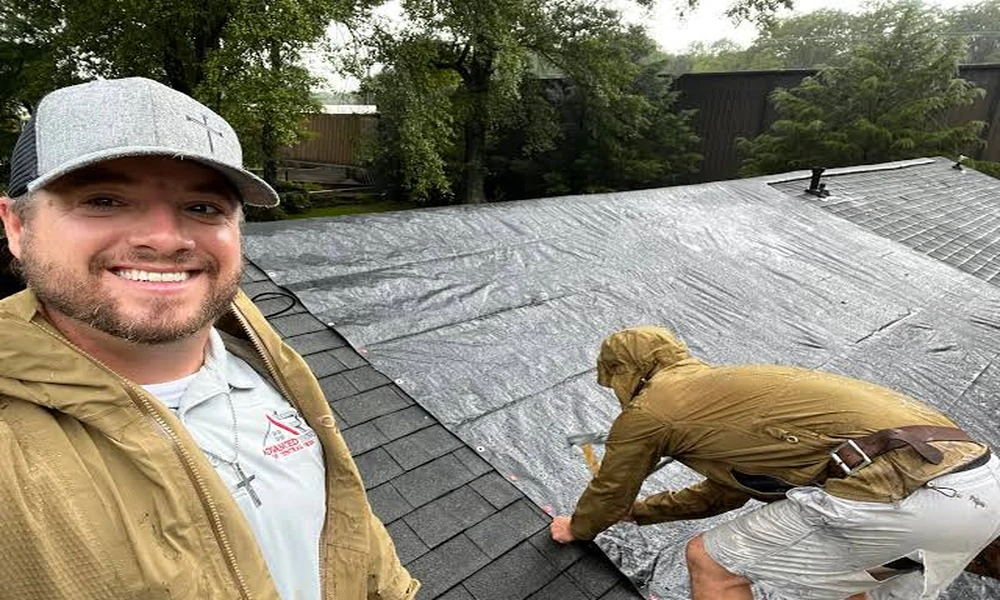
Breckenridge sits roughly halfway between Abilene and Fort Worth, a small oil town of brick storefronts and ranch roads where weather tends to arrive fast and leave a mess. After a big spring storm, pickups with unfamiliar plates start rolling down Walker Street, and door hangers appear on porches promising free roofs. Some of those crews do decent work. Many are gone by the time the first leak shows up in a hallway ceiling.
That is why so many homeowners here prefer a roofing company in Breckenridge that will still answer the phone next season. Free estimates, metal roofing alongside shingle work, and years of storm repair across Abilene and the wider Central Texas area are part of what completecrownconstruction.com brings to that conversation, along with about 25 years of hands-on experience. Whoever you call, the real test is whether the crew understands what this particular stretch of Texas does to a roof over twelve months.
Spring Arrives With Ice in It
Most damage in this part of the state starts between March and June, when the dryline sets off storms that can drop hail and push straight line winds across open pasture with almost nothing to slow them down.
A crew that has worked here for years knows hail damage rarely looks dramatic from the yard. On asphalt shingles it shows up as dark spots where granules were knocked loose, soft bruises you can feel with a thumb, and cracked mats underneath. On metal it shows as dents, which may be cosmetic or may have broken the paint finish. Soft metals like gutters, vent caps and downspouts often tell the story first, so an experienced inspector checks those before ever climbing a ladder.
Wind behaves differently on a ranch house with long rake edges than it does in a tight subdivision. Edges and ridges take the hardest pull, and shingles that were lifted but not torn off can lose their seal without anyone noticing until the next storm finishes the job.
Summer Does Its Damage Slowly
Hail gets the headlines, but the heat does steady work every year. Stephens County summers routinely push past 100 degrees, and a shingle roof surface in direct sun gets far hotter than the air around it.
That heat expands and contracts the roof every single day. Over time it dries out the asphalt, loosens sealant around flashing, and cracks the rubber boots that wrap plumbing vents. A roofer who knows the area tends to pay close attention to attic ventilation, because a trapped attic can cook shingles from below and push cooling bills higher at the same time.
Lighter colored shingles and reflective metal finishes help here. So does balanced airflow, with intake at the soffits and exhaust near the ridge, rather than a mix of vent types fighting each other.
When Winter Turns Strange
North Central Texas does not see snow loads like the northern states, yet ice storms and hard freezes come often enough to matter. The February 2021 freeze left plenty of homes with burst pipes in attic spaces, and water from those lines poured through ceilings in a way that looked exactly like a roof leak.
A local roofer who lived through that week knows to ask where the water actually came from before recommending repairs. Ice also loads tree limbs that overhang the house, and a single heavy branch can puncture decking that a summer storm never touched. Trimming those limbs back is one of the cheapest ways to protect a roof here.
Dry Grass and Drifting Embers
Late winter and early spring bring a risk that newcomers rarely connect with roofing. In March 2022, the Eastland Complex fires burned more than 54,000 acres in the county just south of Breckenridge, destroying most of the small town of Carbon along the way.
Homes in grassland fires usually ignite from embers, not walls of flame. Those embers land in gutters packed with dry leaves, slip into gaps under ridge caps, and drift through open vents. Roofers who know this landscape will point out details like these:
- A roof assembly with a Class A fire rating, which most asphalt shingle and metal systems can meet when installed correctly.
- Gutters kept clear of leaves and mesquite debris through the dry months.
- Vent openings screened with fine metal mesh so embers cannot slip inside.
- Closed gaps at ridge caps, roof edges and where the roof meets a wall.
None of this is exotic. It simply requires a contractor who thinks about fire season as part of the roof’s job.
The Trucks That Come After the Hail
Texas does not issue a statewide license for residential roofers, so almost anyone can print business cards and start knocking on doors after a storm. That openness is exactly why storm chasing thrives here.
State law does set some firm lines. Under Texas Business and Commerce Code Chapter 27, anyone paid from insurance proceeds may not promise to waive, pay or rebate your deductible, and contracts tied to an insurance claim must include a written notice explaining that requirement. A contractor who offers to “take care of your deductible” is asking you to join something illegal, not handing you a discount.
A few questions help sort the steady crews from the seasonal ones. Ask for a local physical address, not just a cell number. Ask how long they have worked in Stephens County and for names of nearby homeowners you can call. Ask who will actually be on your roof, since some outfits sell the job and then subcontract it to whoever is available. Ask how they handle a callback two years from now, and pay attention to whether the answer sounds rehearsed or real.
Be cautious with anyone who wants a large payment before materials arrive, pressures you to sign the same day, or offers to negotiate with your insurer as if they were a licensed adjuster. Contractors can discuss the scope of repairs with an insurance company, but they cannot legally act as your public adjuster.
Staying Power Matters More Than the Sales Pitch
A roof in this part of Texas faces hail, wind, scorching heat, the occasional ice storm and the threat of grassland fire, often within the same year. The contractor who installs it needs to understand every one of those pressures, and they need to still be around when something goes wrong long after the paperwork is filed.
So when the next storm passes and the door hangers start piling up, take an extra day. Walk the property, photograph what you see, call your insurer, and choose the crew that knows these roads, these winds and this weather well enough to stand behind the work for years to come.